Improving Health

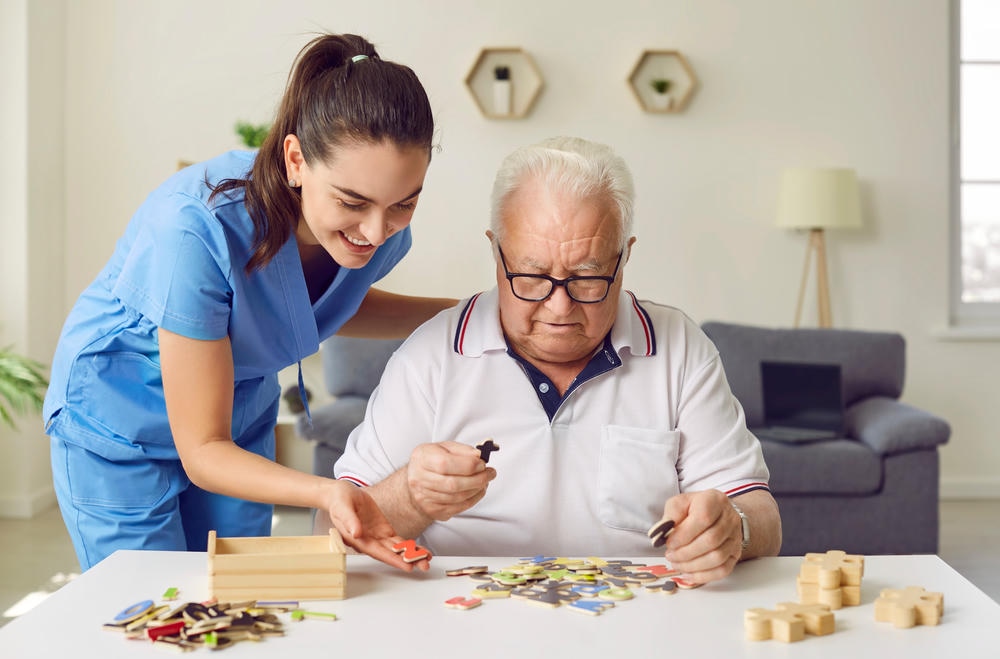
Falls are a common concern, particularly for older adults and people living with neurological, musculoskeletal, sensory, or chronic health conditions. A fall can result in injury, reduced confidence, fear of falling, reduced physical activity, and loss of independence. For some individuals, the effects of a fall can extend well beyond the initial injury and lead to ongoing reductions in mobility and participation in everyday activities.
The good news is that many factors contributing to falls can be addressed through regular, appropriately prescribed exercise. Accredited Exercise Physiologists work alongside individuals, families, support workers, and other healthcare professionals to identify physical factors that may contribute to falls and develop personalised exercise programs aimed at improving strength, balance, mobility, confidence, and functional independence.
Falls risk refers to the likelihood that an individual may experience a fall. Falls rarely occur due to one factor alone. Instead, they are often influenced by a combination of physical, medical, environmental, and behavioural factors.
An individual’s risk of falling may be influenced by:
Understanding these factors allows an appropriate exercise program to be developed around the individual’s specific needs.
A fall can have both immediate and long-term consequences. Following a fall, an individual may experience pain or injury, reduced mobility, loss of strength, reduced confidence, fear of falling again, reduced participation in physical activity, increased reliance on carers or support workers, difficulty completing everyday activities, and social withdrawal.
This can create a cycle where reduced activity leads to further loss of strength and fitness, which can subsequently increase falls risk.
Physical factors may include lower-limb weakness, poor balance, reduced cardiovascular fitness, reduced flexibility, poor coordination, difficulty with transfers, changes in walking pattern, and reduced ability to recover from a loss of balance.
Health-related factors may include neurological conditions, arthritis, chronic pain, diabetes, cardiovascular conditions, vision impairment, cognitive impairment, and medication-related effects.
Environmental factors may include uneven surfaces, poor lighting, clutter, slippery floors, inappropriate footwear, and a lack of suitable handrails or support.
Identifying and addressing these factors can help reduce falls risk and improve confidence with movement.
Non-modifiable: age, previous injuries, some neurological or medical conditions, and long-term changes in physical function.
Modifiable: physical inactivity, reduced muscle strength, poor balance, reduced fitness, fear of falling, reduced confidence with movement, poor footwear, environmental hazards, and limited participation in physical activity.
Many modifiable risk factors can be addressed through appropriately prescribed exercise and changes to the individual’s daily environment.
Exercise is one of the key strategies for improving physical capacity and reducing falls risk. A well-designed exercise program targets the specific physical factors contributing to an individual’s risk rather than simply focusing on general fitness.
Strength and functional capacity. Resistance training can improve muscle strength, particularly in the legs and core. Greater strength can make everyday movements such as standing from a chair, climbing stairs, getting out of bed, and walking easier and safer. Functional exercises can also replicate movements that are important for everyday independence.
Balance and coordination. Balance training helps individuals practise maintaining stability in different positions and during movement, through exercises such as single-leg balance, tandem stance, weight shifting, reaching activities, step-ups, direction changes, and dynamic balance activities. These exercises can help improve body awareness, postural control, and the ability to respond to changes in balance.
Walking and mobility. Walking and mobility exercises can improve gait quality, endurance, coordination, and confidence — incorporating walking practice, changes in walking direction, step training, obstacle negotiation, sit-to-stand practice, and turning and stopping. Improving these skills can help individuals move more safely within their home and community.
Confidence and fear of falling. Experiencing a fall can significantly reduce confidence. Some individuals may begin avoiding activities they previously enjoyed because they are worried about falling again, which can contribute to further loss of strength and fitness. Gradually exposing individuals to safe and achievable movement challenges can help rebuild confidence and encourage participation in everyday activities.
Functional independence. Exercise can directly support everyday tasks such as getting in and out of bed, standing from a chair, walking around the home, using stairs, getting in and out of a vehicle, shopping, attending appointments, and participating in community activities. Improving physical capacity can reduce reliance on others and support greater independence.
Research has consistently demonstrated that appropriately prescribed exercise can improve lower-limb strength, improve balance and postural control, improve walking ability and physical function, reduce falls risk, improve confidence with movement, support independence with daily activities, reduce fear of falling, and support participation in community activities.
Exercise programs that combine strength, balance, functional training, and cardiovascular exercise are particularly valuable for addressing multiple falls-risk factors at the same time.
There is no single exercise program that is appropriate for everyone at risk of falling. Programs need to consider the individual’s medical history, current abilities, previous falls, pain, fatigue, confidence, environment, and personal goals — and may include resistance training, balance exercises, functional movement training, cardiovascular exercise, walking programs, transfer practice, coordination exercises, core strengthening, and step and gait training.
Exercise intensity and difficulty should be progressed gradually as the individual’s strength, balance, confidence, and tolerance improve. For individuals with significant falls risk, exercises should initially be performed in a safe and controlled environment with appropriate supervision and support.
Accredited Exercise Physiologists assess an individual’s physical capacity and identify areas that may contribute to falls risk — including strength, balance, mobility, cardiovascular fitness, functional movements, and exercise tolerance. They can then develop and progressively adjust an exercise program based on the individual’s abilities and goals, working collaboratively with physiotherapists, occupational therapists, support workers, carers, GPs, and other healthcare professionals to ensure exercise forms part of a broader approach to falls prevention and functional independence.
Falls prevention is not about avoiding movement. In many cases, safe and appropriately prescribed movement is part of the solution. Building strength, improving balance, practising functional movements, and gradually increasing physical activity can help individuals become more confident and capable in their everyday lives.
Through personalised exercise programs, Accredited Exercise Physiologists can help individuals reduce modifiable falls-risk factors, maintain physical capacity, improve independence, and participate more safely in the activities that are important to them.
The goal is not simply to prevent falls — it is to help people move with greater confidence, maintain independence, and continue participating in everyday life.
Monthly insights on injury prevention, recovery, and everyday movement — straight to your inbox.
© Copyright 2022 | Accelerate Allied Health | All Rights Reserved | Privacy Policy | Site by Netrosa