
Improving Health

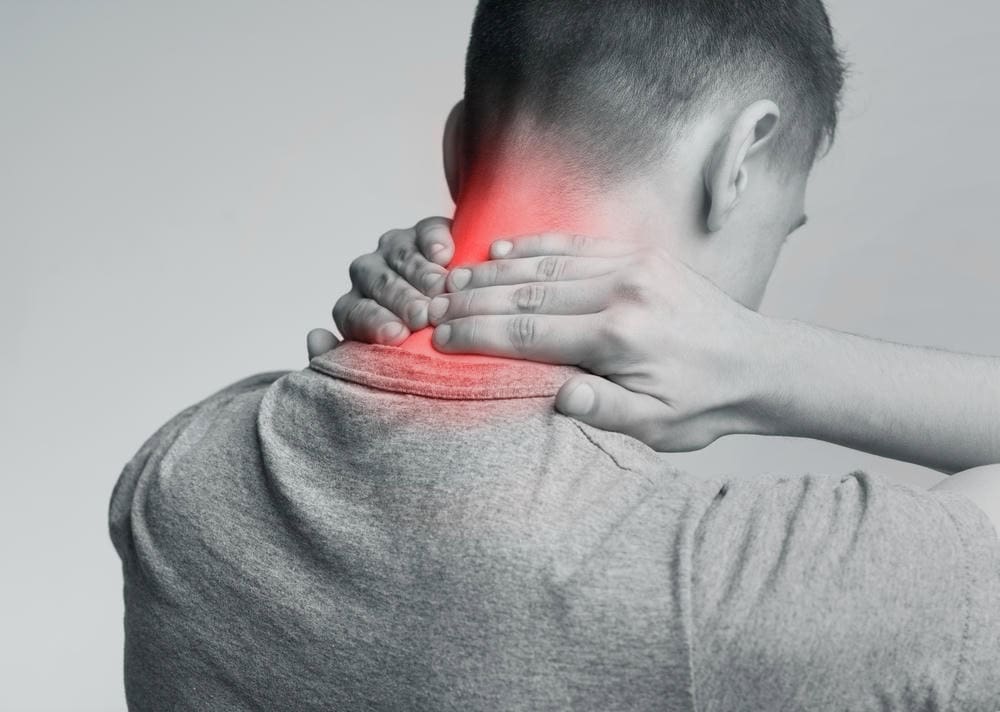
Neck pain is a common musculoskeletal condition that can significantly affect a person’s movement, physical function, sleep, work, and overall quality of life. Cervical conditions can occur for many different reasons, including age-related changes, muscle and joint problems, injuries, poor movement patterns, prolonged postures, and conditions affecting the nerves or discs in the neck.
While cervical conditions may require medical assessment and treatment, appropriately prescribed exercise can play an important role in improving strength, mobility, physical capacity, confidence, and function.
From an Exercise Physiology perspective, exercise programs are designed around the individual’s diagnosis, symptoms, health status, physical abilities, goals, and lifestyle. For older adults and aged care clients, exercise can be particularly valuable in maintaining mobility, physical independence, and participation in everyday activities.
The cervical spine is the section of the spine located in the neck. It consists of seven vertebrae, known as C1 to C7. These vertebrae work together with muscles, joints, ligaments, discs, nerves, and other surrounding structures to support the head and allow the neck to move.
The cervical spine allows movements such as:
The cervical spine also provides protection for the spinal cord and allows nerves to travel from the spinal cord to the upper body.
Because the neck is involved in supporting and moving the head throughout the day, problems affecting the cervical spine can have a significant impact on everyday activities.
Cervical conditions can occur for a variety of reasons. Common conditions affecting the neck may include:
Some conditions develop gradually over time, while others may occur following an injury or sudden movement.
The severity of symptoms can vary significantly between individuals. Some people may experience mild stiffness or discomfort, while others may experience significant pain, reduced movement, headaches, weakness, or symptoms affecting the arm.
Cervical conditions can contribute to:
For older adults, cervical pain and stiffness can have a significant impact on their ability to move comfortably and remain independent.
Persistent pain may also cause individuals to reduce their physical activity, which can contribute to reductions in strength, cardiovascular fitness, mobility, and general physical capacity.
Symptoms will depend on the underlying condition and the structures involved. Common symptoms may include:
Some people may experience symptoms intermittently, while others may have persistent symptoms.
Anyone experiencing persistent, worsening, or unexplained neck pain should speak with their GP, physiotherapist, or other appropriate healthcare professional. New or significant neurological symptoms should be medically assessed.
Cervical pain and other neck conditions can develop due to a combination of factors.
Not all risk factors can be changed. However, maintaining appropriate levels of physical activity, strength, mobility, and general fitness can support cervical function and overall physical health.
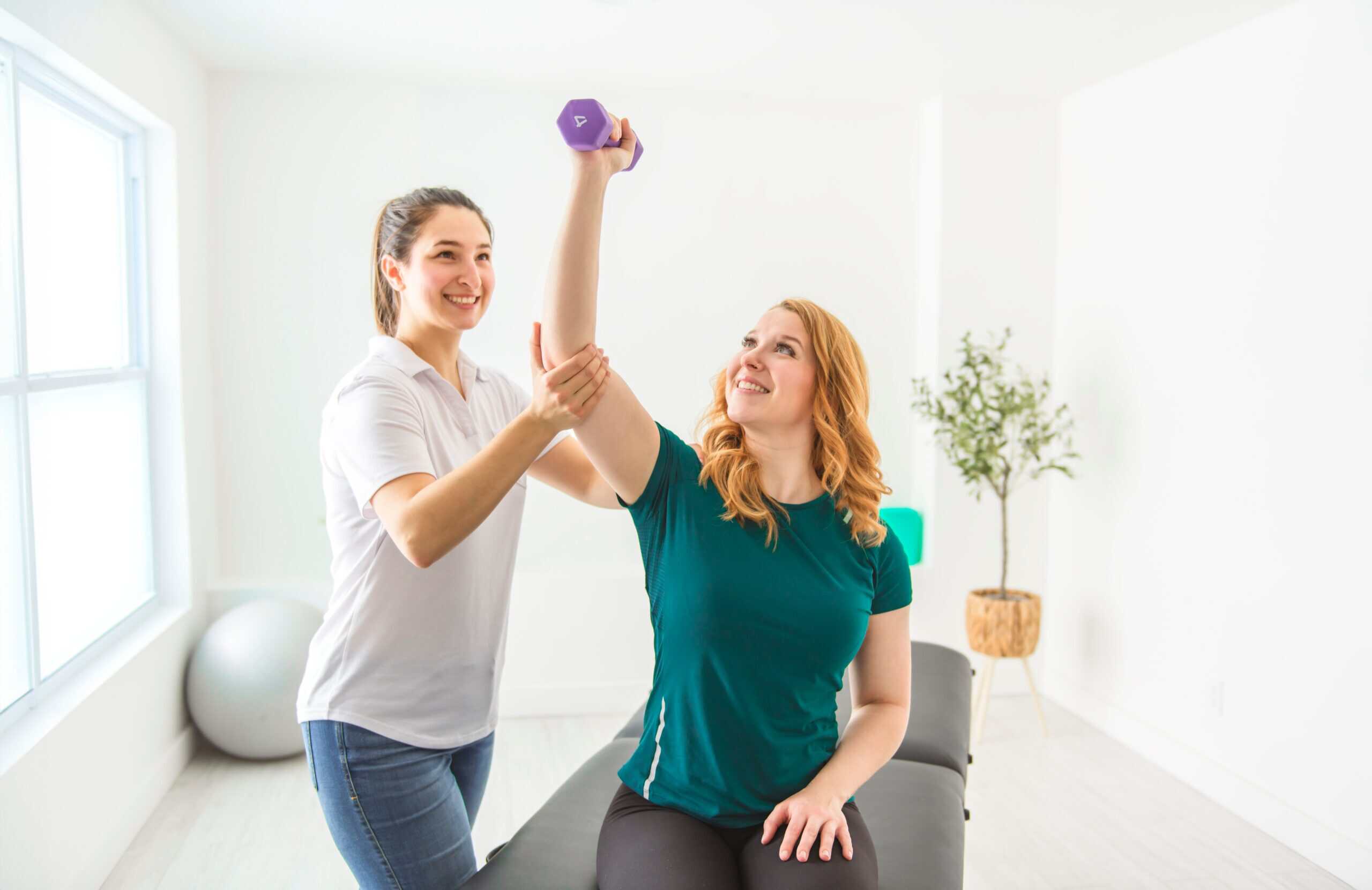
An Accredited Exercise Physiologist (AEP) can develop an individualised exercise program for people experiencing cervical pain or living with a cervical condition.
Before commencing exercise, an AEP considers:
This information helps ensure that exercise is safe, appropriate, progressive, and relevant to the individual’s needs. Exercise programs can then be modified according to the individual’s symptoms, response to exercise, and progress over time.
Strength training can be an important component of managing many cervical conditions. Appropriately prescribed resistance exercise can help improve the strength and endurance of the muscles supporting the neck, shoulders, upper back, and trunk.
Exercises may target:
Exercises may include:
Improving strength can help increase an individual’s capacity to perform everyday activities and maintain good overall physical function.
Neck pain can sometimes cause individuals to avoid movement because they are worried that movement may increase their symptoms. Over time, reduced movement can contribute to stiffness and reduced confidence with normal activities.
An exercise program may incorporate appropriate mobility exercises targeting:
Mobility exercises should be appropriately selected according to the individual’s diagnosis, symptoms, physical capacity, and medical or rehabilitation recommendations.
Maintaining appropriate mobility can make activities such as looking around while walking, interacting with others, dressing, and performing household tasks easier.
The muscles around the neck, shoulders, and upper back play an important role in maintaining comfortable posture. Individuals who spend long periods sitting, working at a computer, using devices, or performing repetitive activities may experience increased neck and upper-back discomfort.
Exercise can help improve the strength and endurance required to maintain comfortable positions for longer periods. Exercises may focus on:
Exercise should be combined with appropriate movement strategies rather than focusing on maintaining one “perfect” posture. The goal is to improve physical capacity and the ability to comfortably change positions and move throughout the day.
Neck pain can cause individuals to reduce their overall physical activity. This can contribute to general deconditioning, particularly when symptoms have been present for an extended period.
An exercise program can therefore include activities designed to maintain or improve:
Depending on the individual’s abilities, activities may include:
Maintaining general physical fitness can help prevent a cervical condition from contributing to broader physical decline.
Exercise should support the activities that are important to the individual. Functional exercises may include movements related to:
For older adults, maintaining the ability to perform these everyday activities can be particularly important for independence and quality of life.
An AEP can incorporate exercises that replicate or support the physical demands of an individual’s daily activities.
Some cervical conditions can affect the nerves travelling from the neck into the arm. Cervical radiculopathy can occur when a nerve root in the cervical spine becomes irritated or compressed.
Symptoms may include:
Exercise prescription for individuals experiencing neurological symptoms needs to be appropriately modified. An AEP can work alongside the individual’s healthcare team to develop an exercise program that considers symptoms, physical capacity, and medical recommendations.
New, worsening, or significant neurological symptoms should be assessed by an appropriate healthcare professional.
Exercise is especially important for older adults experiencing cervical pain or stiffness. Ageing can naturally lead to reductions in:
Cervical conditions may further contribute to physical inactivity and reduced function. An older adult experiencing neck pain may begin avoiding activities such as walking, exercise, household tasks, lifting, or social activities.
A structured exercise program can help maintain physical capacity while supporting mobility, strength, balance, and independence. The focus should not only be on the neck but on maintaining the individual’s overall health and physical function.
The neck works closely with the visual and balance systems to help the body understand its position in space. Neck pain, stiffness, reduced movement, or reduced physical activity may affect an individual’s confidence with movement.
For older adults, maintaining strength and balance is particularly important for reducing the risk of falls and supporting independence.
Balance exercises may include:
Balance training can be incorporated alongside cervical and whole-body exercise where appropriate.
Exercise does not need to be complicated to be effective. For many individuals with cervical conditions, consistent participation in manageable physical activity is more important than performing highly demanding workouts.
An AEP can help individuals develop realistic exercise routines that fit into their daily lives. This may include:
Small amounts of regular activity can contribute to meaningful improvements in physical capacity, confidence, and independence over time.
An Accredited Exercise Physiologist is a university-qualified allied health professional who specialises in prescribing exercise for people living with chronic health conditions, disabilities, injuries, and other physical limitations.
For people experiencing cervical conditions or neck pain, an AEP can:
Exercise physiology can also work alongside physiotherapy, medical management, and other healthcare services as part of a broader approach to managing cervical conditions.
Managing cervical pain involves more than simply focusing on the neck. A holistic approach may include:
Exercise physiology can form an important part of this broader approach by helping individuals maintain physical capacity and participate in the activities that are important to them.
Exercise is generally beneficial for many people experiencing cervical pain, but programs should be appropriately prescribed.
Exercise intensity, duration, resistance, movement selection, symptoms, neurological signs, previous injuries, medications, and individual health conditions should all be considered.
People with significant cervical conditions, recent injuries, previous spinal surgery, or neurological symptoms may require specific exercise modifications and medical or rehabilitation guidance.
Individuals experiencing severe or worsening neck pain, significant weakness, loss of sensation, problems with coordination or balance, or other concerning neurological symptoms should seek assessment from an appropriate healthcare professional.
An AEP can work with the individual’s healthcare team to help establish an appropriate and safe exercise plan.
Living with a cervical condition or persistent neck pain does not mean that an individual needs to stop being physically active.
With appropriate exercise physiology, people can work towards improving their strength, mobility, cardiovascular fitness, balance, physical capacity, and confidence with movement.
For older adults and aged care clients, the focus is not simply on managing neck pain. It is about helping each person maintain their function, independence, confidence, and ability to participate in the activities that are important to them.
Exercise physiology can be an important part of managing cervical conditions, helping people become stronger, more active, and more confident while supporting their long-term health, physical function, independence, and quality of life.
Monthly insights on injury prevention, recovery, and everyday movement — straight to your inbox.
© Copyright 2022 | Accelerate Allied Health | All Rights Reserved | Privacy Policy | Site by Netrosa