Improving Health

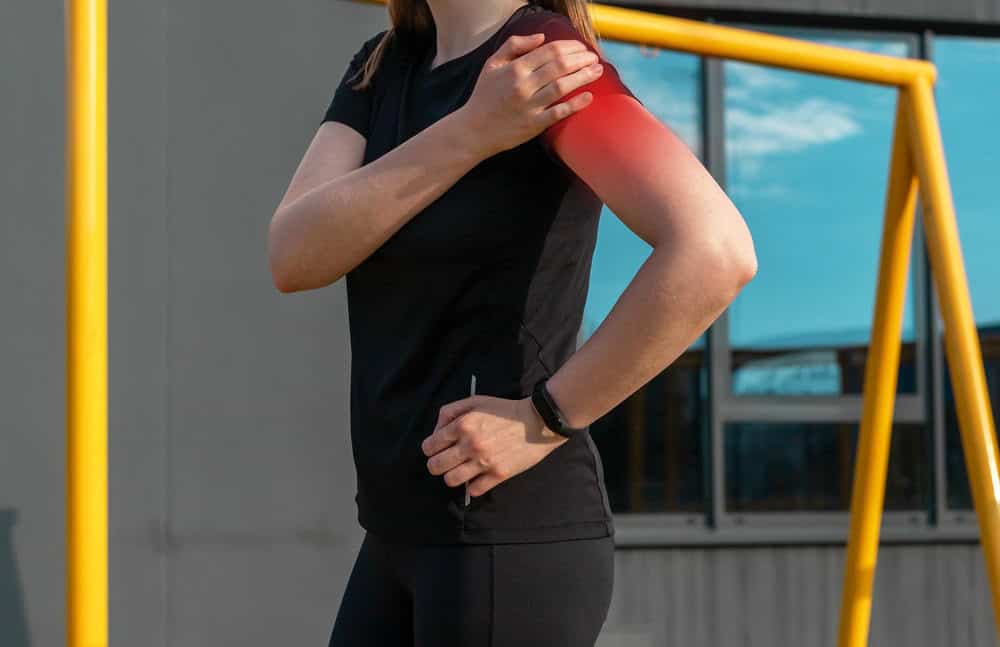
Shoulder pain is a common musculoskeletal condition that can significantly affect a person’s strength, mobility, physical function, and overall quality of life. Rotator cuff tears and tendinitis are common causes of shoulder pain and can make everyday activities such as reaching, lifting, carrying, dressing, grooming, and sleeping more difficult.
While shoulder injuries may require medical assessment and rehabilitation, regular and appropriately prescribed exercise can play an important role in improving shoulder strength, mobility, physical capacity, and confidence.
From an Exercise Physiology perspective, exercise programs are designed around the individual’s diagnosis, symptoms, physical abilities, health status, previous injuries, goals, and lifestyle. For older adults and aged care clients, exercise can be particularly valuable in maintaining independence and reducing the risk of physical decline associated with pain and inactivity.
The rotator cuff is a group of four muscles and their tendons that surround the shoulder joint. These muscles include:
The rotator cuff plays an important role in stabilising the shoulder and controlling movement of the arm.
The shoulder is one of the most mobile joints in the body, allowing the arm to move in many different directions. Because of this large range of movement, the muscles and tendons surrounding the shoulder play an important role in maintaining stability and controlling movement.
Problems affecting the rotator cuff can occur when the tendons become irritated, overloaded, weakened, or damaged.
Rotator cuff tendinitis refers to irritation of one or more of the rotator cuff tendons.
It can develop gradually and may be associated with repeated or increased loading of the shoulder. Activities involving frequent reaching, lifting, pushing, pulling, or overhead movement may contribute to symptoms.
Rotator cuff-related shoulder pain can also occur alongside other changes within the shoulder.
Symptoms can vary significantly between individuals. Some people may experience mild discomfort, while others may have significant pain and difficulty using the affected arm.
A rotator cuff tear occurs when one or more of the rotator cuff tendons are partially or completely torn.
Rotator cuff tears can occur following an acute injury, such as a fall, sudden lifting movement, or other traumatic event. They can also develop gradually over time due to changes in the tendon associated with ageing and repeated loading.
Rotator cuff tears do not always cause symptoms. Some people may have a tear without experiencing significant pain or functional limitations.
For people who do experience symptoms, treatment depends on factors such as the severity of the tear, symptoms, age, physical capacity, activity requirements, overall health, and personal goals.
Some individuals may be managed conservatively with exercise and rehabilitation, while others may require further medical assessment or surgery.
Rotator cuff tears and tendinitis can contribute to:
For older adults, these limitations can have a significant impact on their ability to complete daily activities and remain independent.
Shoulder pain may also lead individuals to avoid using the affected arm. Over time, reduced use can contribute to further weakness, reduced mobility, and physical deconditioning.
Symptoms can vary depending on the type and severity of the shoulder condition. Common symptoms may include:
Some people may experience symptoms gradually, while others may develop shoulder pain following an injury.
Anyone experiencing persistent, worsening, or unexplained shoulder pain should speak with their GP, physiotherapist, or other appropriate healthcare professional.
A sudden loss of shoulder strength following a fall or significant injury should also be assessed by an appropriate healthcare professional.
Not all risk factors can be changed. However, maintaining appropriate strength, mobility, physical activity, and general fitness can help support shoulder function and physical independence.
An Accredited Exercise Physiologist (AEP) can develop an individualised exercise program for people living with shoulder pain, rotator cuff tendinitis, or rotator cuff tears.
Before commencing exercise, an AEP considers:
This information helps ensure that exercise is safe, appropriate, progressive, and relevant to the individual’s needs. Exercise programs can then be modified as symptoms and physical capacity change.
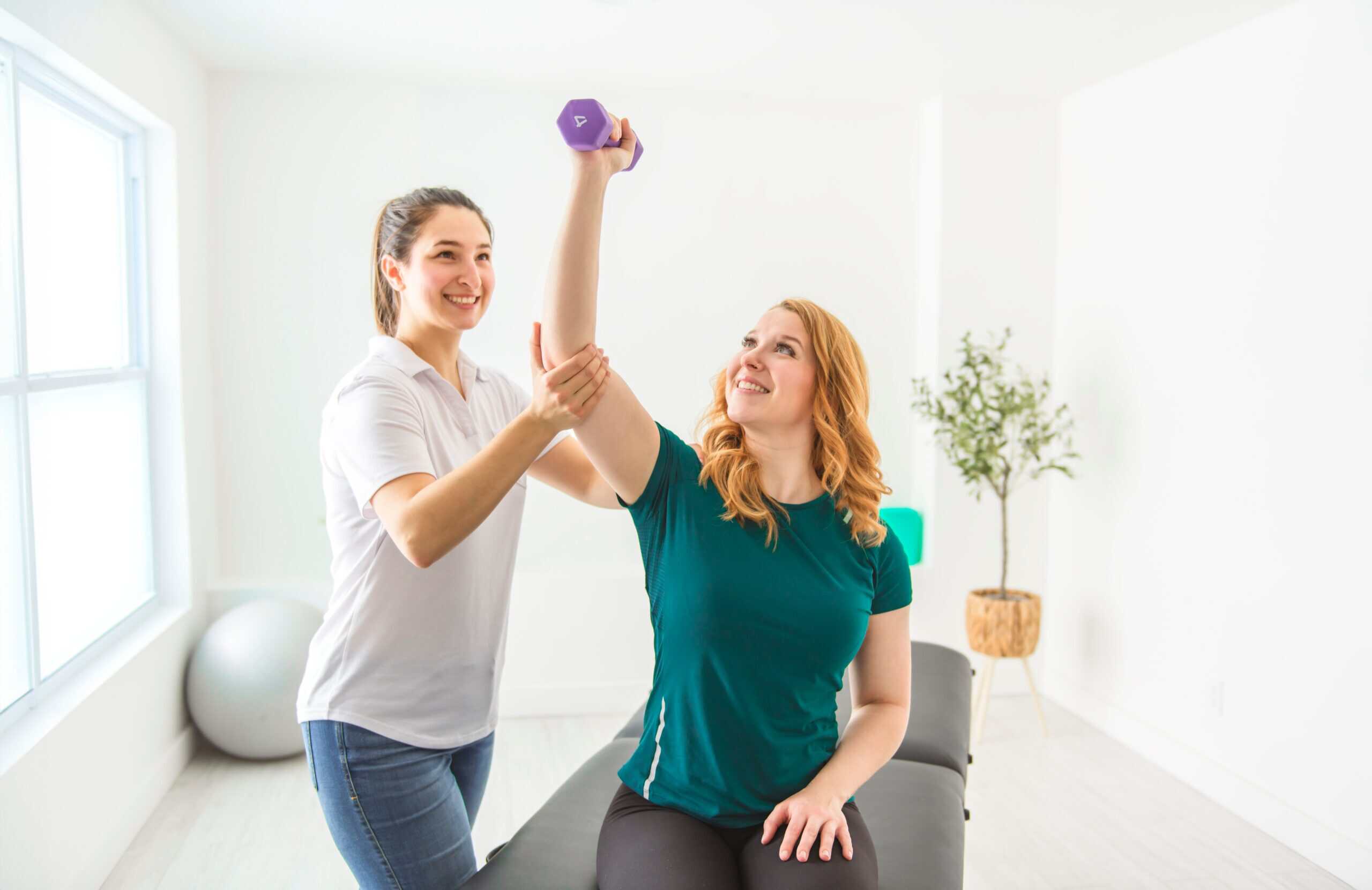
Strength training is an important component of many rotator cuff rehabilitation programs. Appropriately prescribed resistance exercise can help improve the strength and capacity of the muscles around the shoulder.
Depending on the individual’s condition and rehabilitation stage, exercises may target:
Exercises may include:
The goal is to gradually improve the shoulder’s ability to tolerate the movements and loads required in everyday life.
Shoulder pain can result in people avoiding certain movements. Over time, this can contribute to reduced mobility and difficulty performing everyday tasks.
An exercise program may incorporate mobility exercises targeting:
Mobility exercises should be appropriately selected based on the individual’s symptoms, diagnosis, physical capacity, and rehabilitation stage.
Maintaining appropriate shoulder mobility can help make everyday activities such as dressing, grooming, reaching, and lifting easier.
One of the important goals of exercise rehabilitation is gradually increasing the amount of load the shoulder can tolerate.
An individual may initially have difficulty lifting a relatively light object. With appropriate progression, their exercise program can gradually increase resistance and functional demands.
Exercise progression may involve changes to:
Gradual progression can help build confidence and physical capacity without unnecessarily overloading the shoulder.
Exercise should ultimately help individuals perform the activities that are important to them. Functional exercises may include movements related to:
For older adults, maintaining the ability to complete these activities can be particularly important for independence and quality of life.
An AEP can incorporate exercises that replicate or support the physical demands of the individual’s everyday activities.
When someone experiences shoulder pain, they may reduce their overall physical activity. This can result in a reduction in general strength and cardiovascular fitness, particularly when shoulder pain persists for an extended period.
Exercise programs can therefore include activities that maintain fitness throughout the rest of the body. Depending on the individual’s abilities, exercise may include:
Maintaining whole-body fitness is particularly important for older adults, as prolonged inactivity can contribute to loss of muscle strength, mobility, balance, and independence.
Exercise is especially important for older adults experiencing rotator cuff problems. Ageing can naturally lead to reductions in:
Shoulder pain may further reduce physical activity and make everyday tasks more difficult. An individual may begin avoiding activities such as lifting, reaching, carrying, or participating in exercise because of pain or fear of making their shoulder worse.
A structured exercise program can help older adults maintain their physical capacity while gradually improving shoulder function.
The focus should not only be on the shoulder but also on maintaining strength, balance, cardiovascular fitness, mobility, and functional independence.
Some rotator cuff tears may require surgical management. Following surgery, exercise needs to be appropriately prescribed and coordinated with the individual’s treating healthcare team.
During the early stages of recovery, there may be restrictions on shoulder movement and loading while the repaired tissues heal.
As recovery progresses, exercise may gradually focus on:
An AEP can support the individual’s broader exercise program while working within the recommendations and restrictions provided by their surgeon and physiotherapist.
Pain is an important consideration when exercising with a shoulder condition. Some individuals may experience discomfort during rehabilitation, but pain should be appropriately monitored.
Exercise does not need to be completely pain-free to be beneficial, but excessive or worsening pain may indicate that an exercise, movement, resistance, or training volume needs to be modified.
An AEP can monitor the individual’s response to exercise and adjust the program accordingly. The aim is to gradually improve physical capacity while avoiding unnecessary aggravation of symptoms.
Exercise rehabilitation does not need to be complicated to be effective. For many individuals, consistently participating in an appropriately prescribed exercise program is more important than performing highly demanding workouts.
An AEP can help individuals develop realistic exercise routines that fit into their daily lives. This may include:
Small amounts of regular activity can contribute to meaningful improvements over time.
An Accredited Exercise Physiologist is a university-qualified allied health professional who specialises in prescribing exercise for people living with chronic health conditions, disabilities, injuries, and other physical limitations.
For people with rotator cuff tears or tendinitis, an AEP can:
Exercise physiology can also work alongside physiotherapy, medical management, and other healthcare services to provide a broader approach to rehabilitation.
Managing a rotator cuff tear or tendinitis involves more than simply treating shoulder pain. A holistic approach may include:
Exercise physiology can form an important part of this broader approach by helping individuals maintain their physical capacity while working towards their personal goals.
Exercise is generally an important component of rehabilitation for many people with rotator cuff problems, but exercise programs should be appropriately prescribed.
Exercise intensity, resistance, range of movement, frequency, symptoms, previous surgery, and individual health conditions should all be considered.
People recovering from rotator cuff surgery may have specific restrictions that need to be followed carefully.
Individuals experiencing severe or worsening pain, sudden loss of strength, significant swelling, numbness, or symptoms following a major injury should seek assessment from an appropriate healthcare professional.
An AEP can work with the individual’s healthcare team to help establish an appropriate and safe exercise plan.
Living with a rotator cuff tear or tendinitis does not necessarily mean that an individual needs to stop exercising or become less physically active.
With appropriate exercise physiology, people can work towards improving their strength, mobility, physical capacity, confidence, and ability to perform everyday activities.
For older adults and aged care clients, the focus is not simply on managing shoulder pain. It is about helping each person maintain their function, independence, confidence, and ability to participate in the activities that are important to them.
Exercise physiology can be an important part of managing rotator cuff problems, helping people become stronger, more active, and more confident while supporting their long-term health, physical function, and quality of life.
Monthly insights on injury prevention, recovery, and everyday movement — straight to your inbox.
© Copyright 2022 | Accelerate Allied Health | All Rights Reserved | Privacy Policy | Site by Netrosa