Improving Health, Physiology


Lower back pain is one of the most common musculoskeletal conditions affecting adults and older adults. It can have a significant impact on mobility, independence, sleep, mood, and the ability to perform everyday activities such as walking, standing, bending, lifting, and getting in and out of a chair.
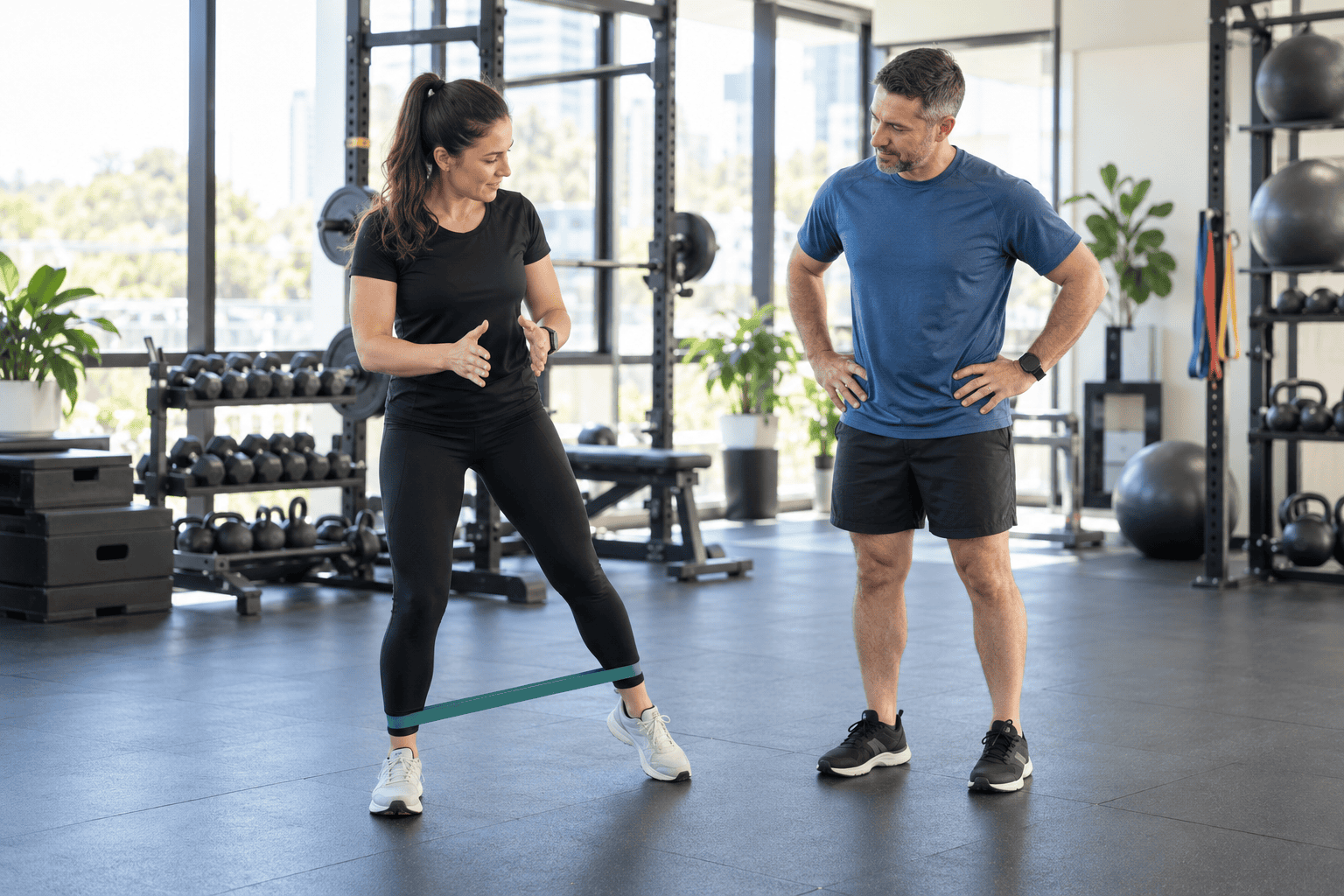
While lower back pain can be uncomfortable and frustrating, exercise physiology can play an important role in managing symptoms, improving physical capacity, and supporting long-term function. From an Accredited Exercise Physiologist (AEP)
perspective, the goal is not simply to focus on pain, but to help individuals improve strength, mobility, confidence, independence, and overall quality of life.
An AEP develops safe and individualised exercise programs based on a person’s health conditions, physical capacity, symptoms, functional limitations, and personal goals.
Exercise programs can be particularly valuable for older adults, where maintaining strength and mobility is essential for independence and reducing the risk of physical decline.
Understanding Lower Back Pain
Lower back pain refers to pain or discomfort experienced in the lower region of the spine. It can develop gradually or occur suddenly following an injury, change in activity, or an increase in physical demands.
In many cases, lower back pain is considered non-specific, meaning there is no single identifiable structural cause responsible for the symptoms. This is important when considering exercise, as experiencing pain does not necessarily mean that movement is causing damage.
Lower back pain can be influenced by a combination of physical, psychological, and lifestyle factors, including:
For older adults, these factors may be combined with age-related reductions in muscle mass, balance, cardiovascular fitness, and general physical capacity.
How Lower Back Pain Can Affect Daily Life
Persistent lower back pain can make everyday activities more difficult.
People may experience:
For older adults, reduced activity caused by back pain can contribute to further loss of strength and mobility. This can create a cycle where pain leads to inactivity, inactivity leads to reduced physical capacity, and reduced capacity makes everyday activities more challenging.
Exercise physiology aims to help break this cycle by gradually rebuilding physical capacity and confidence.
Common Risk Factors for Lower Back Pain
Non-Modifiable Factors
While not every risk factor can be changed, improving physical activity and physical capacity can help individuals better manage their symptoms and maintain independence.
The Exercise Physiology Approach
An AEP takes an individualised and evidence-based approach to managing lower back pain.
Rather than prescribing the same exercises to everyone, an AEP considers:
The exercise program is then gradually progressed as the individual becomes stronger and more confident.
The goal is to help people safely increase their capacity to perform the activities that are important to them.
How Exercise Physiology Can Help
Strength Training
Resistance training is an important component of exercise physiology for lower back pain.
Strengthening the muscles of the hips, legs, trunk, and upper body can improve overall physical capacity and make everyday activities easier.
Exercises may include:
For older adults, improving lower-limb strength can also make activities such as getting out of a chair, climbing stairs, and walking easier.
Aerobic Exercise
Aerobic exercise can improve cardiovascular fitness, endurance, energy levels, and overall health.
Depending on the individual’s abilities and preferences, this may include:
Mobility and Flexibility
Mobility exercises can help individuals maintain comfortable movement and reduce stiffness.
An exercise program may include movements targeting:
The aim is to improve the person’s ability to move comfortably and perform everyday activities.
Balance Training
Balance becomes particularly important as we age.
For older adults experiencing lower back pain, an AEP may incorporate balance exercises alongside strength and mobility training.
Improving balance can help individuals feel more confident when:
Functional Exercise
Functional exercise focuses on movements that directly relate to a person’s daily life.
For example, an AEP may use exercises that replicate:
The goal is to improve physical capacity in a way that translates into meaningful improvements in everyday function.
Graded Exercise and Progression
A key principle of exercise physiology is gradual progression.
People experiencing persistent lower back pain may reduce their activity because they are worried that movement will make their pain worse. Over time, avoiding activity can contribute to reduced strength, fitness, mobility, and confidence.
An AEP can use graded exercise to gradually increase a person’s activity levels according to their individual tolerance.
For example, an individual who currently tolerates 10 minutes of walking may begin with a manageable amount and progressively increase their walking duration as their physical capacity improves.
The aim is not to do too much too quickly. Instead, exercise is progressed gradually to build strength, tolerance, confidence, and independence.
Understanding Pain and Movement
One of the important roles of an AEP is helping individuals understand the relationship between pain and movement.
Experiencing pain does not automatically mean that movement is causing injury or damage. Some people may experience temporary increases in soreness or stiffness when starting a new exercise program, particularly if they have been inactive for a long period.
An AEP can help monitor symptoms and modify exercises where appropriate, while gradually building tolerance to physical activity.
If pain is severe, significantly worsening, or associated with concerning symptoms, medical assessment should be sought.
Lower Back Pain and Older Adults
Lower back pain can have a particularly significant impact on older adults.
Pain may lead to reduced physical activity, which can contribute to:
The Role of an Accredited Exercise Physiologist
Accredited Exercise Physiologists are university-qualified allied health professionals who specialise in exercise prescription for people living with chronic health conditions, injuries, disabilities, and physical limitations.
When working with someone experiencing lower back pain, an AEP can:
For older adults, exercise physiology can also focus on maintaining functional independence and helping individuals continue participating in activities that are meaningful to them.
A Holistic Approach to Lower Back Pain
Managing lower back pain involves more than focusing on the painful area.
An Exercise Physiologist may consider the individuals:
When Should Further Medical Assessment Be Considered?
Although exercise physiology can be an important part of managing lower back pain, some symptoms require further medical assessment.
Individuals should seek appropriate medical advice if they experience severe or worsening pain, significant symptoms following trauma, new neurological symptoms, changes in bladder or bowel control, or other symptoms that may indicate a more serious underlying condition.
Exercise Physiologists can also work collaboratively with GPs, physiotherapists and other healthcare professionals to ensure exercise is appropriate and safely integrated into the individual’s overall care plan.
Lower Back Pain Doesn’t Have to Stop You Moving
Lower back pain can affect mobility, independence, and quality of life, but it does not necessarily mean that someone needs to stop being active.
Through individualised exercise physiology, gradual progression, education, and ongoing support, individuals can work towards improving their strength, mobility, physical capacity, and confidence.
For older adults, the goal is not necessarily to eliminate every sensation of pain.
Instead, the focus is on helping people move better, become stronger, maintain independence, and continue participating in the activities that matter most to them.
Exercise physiology provides an evidence-based and individualised approach to managing lower back pain and supporting people to live stronger, more active, and independent lives.
Monthly insights on injury prevention, recovery, and everyday movement — straight to your inbox.
© 2026 Accelerated Allied Health | All Rights Reserved | Site by Netrosa

TIPS TO HELP YOU LIVE AND MOVE WELL