Improving Health

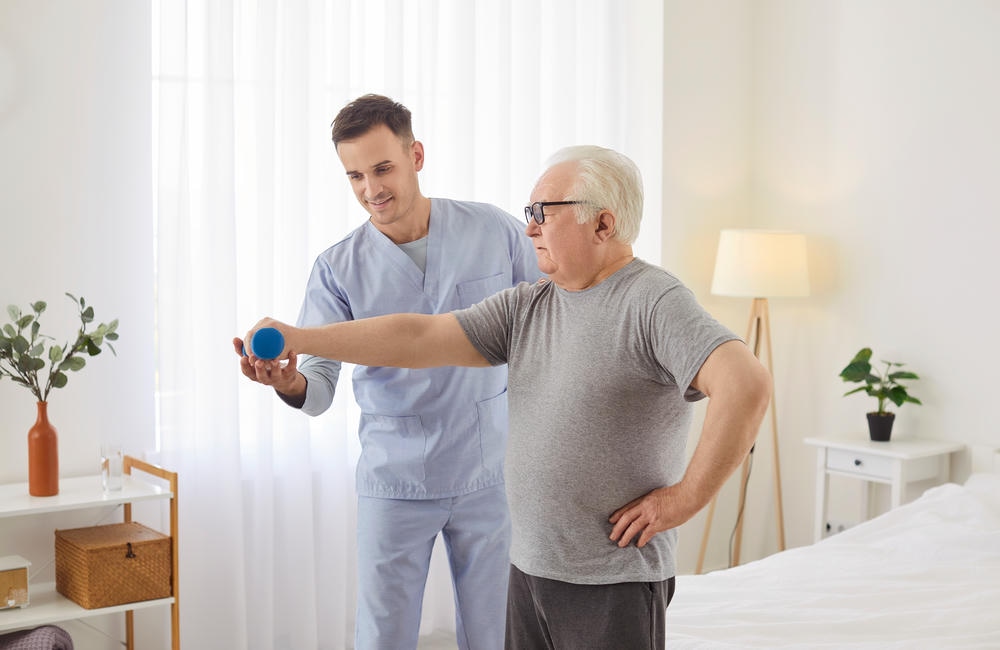
As we age, maintaining good health becomes increasingly important for preserving independence, mobility, and quality of life. While ageing naturally brings physical changes, regular exercise is one of the most effective ways to slow these changes and help older adults remain active and healthy.
Exercise is often described as the closest thing to a “magic medicine” for healthy ageing. It supports physical function, mental wellbeing, and the prevention and management of many chronic health conditions. Accredited Exercise Physiologists play an important role in prescribing safe, individualised exercise programs that improve strength, balance, cardiovascular health, and confidence in older adults.
How Ageing Affects the Body
Natural ageing can influence:
Without regular physical activity, these changes may increase the risk of falls, fractures, chronic disease, and loss of independence.
Common Health Conditions in Older Adults
Older adults are more likely to develop chronic conditions such as:
Exercise is recognised as an important component of managing many of these conditions safely and effectively.
Common Signs of Physical Decline
As physical function decreases, older adults may notice:
These changes are often gradual but can significantly impact independence if left unaddressed.
Risk Factors for Functional Decline
Non-modifiable:
Modifiable:
Many of these modifiable risk factors can be improved through regular exercise and healthy lifestyle habits.
How Exercise Helps
Regular exercise provides benefits for nearly every body system and is one of the most effective strategies for promoting healthy ageing.
Strength Training
Resistance exercise helps maintain and build muscle mass, improves bone strength, and increases the ability to perform everyday tasks such as carrying groceries, getting out of a chair, or climbing stairs.
Aerobic Exercise
Walking, cycling, swimming, and other aerobic activities improve heart and lung health, reduce the risk of cardiovascular disease, assist with blood pressure management, and improve endurance.
Balance Training
Specific balance exercises improve stability and coordination, reducing the risk of falls and increasing confidence when moving around at home and in the community.
Flexibility and Mobility
Stretching and mobility exercises improve joint movement, reduce stiffness, and make daily activities easier and more comfortable.
Mental Health
Exercise has been shown to reduce symptoms of anxiety and depression while improving mood, confidence, sleep quality, and overall wellbeing. Regular physical activity may also help maintain cognitive function and reduce the risk of dementia.
Key Exercise Findings:
The Australian Physical Activity Guidelines recommend that older adults aim for:
The Importance of a Holistic Approach
Healthy ageing involves much more than exercise alone. The greatest health benefits occur when physical activity is combined with:
Exercise programs should always be tailored to an individual’s health status, goals, and physical abilities. Accredited Exercise Physiologists are highly qualified to prescribe evidence-based exercise interventions that are safe, effective, and designed to improve function, independence, and quality of life.
Healthy Ageing Starts with Movement
It is never too late to become more active. Whether someone is beginning exercise for the first time or returning after a period of inactivity, even small increases in physical activity can lead to meaningful improvements in health and wellbeing.
Regular exercise helps older adults stay stronger, move with confidence, remain independent, and continue enjoying the activities that matter most throughout later life.
Monthly insights on injury prevention, recovery, and everyday movement — straight to your inbox.
© Copyright 2022 | Accelerate Allied Health | All Rights Reserved | Privacy Policy | Site by Netrosa