Improving Health

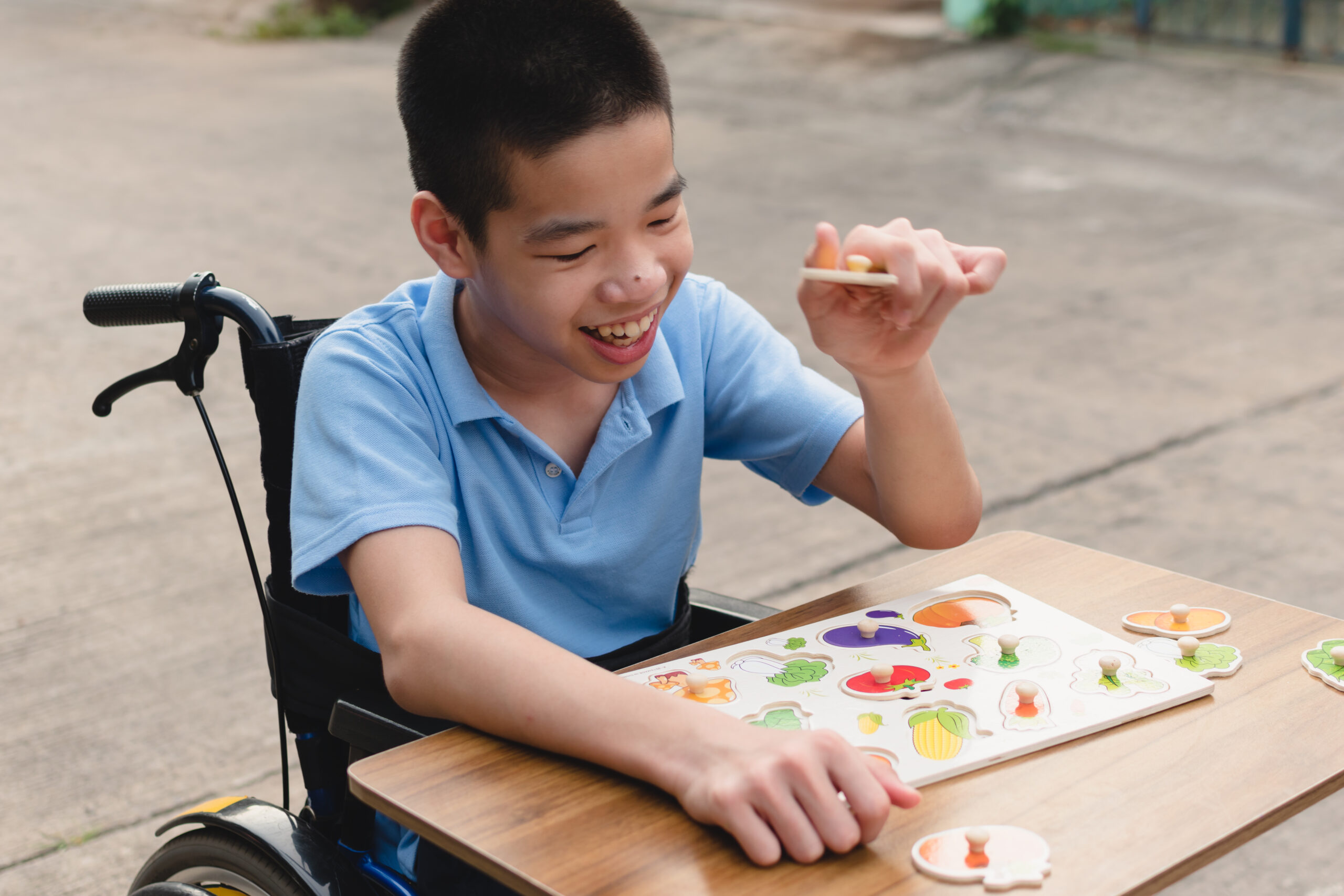
Autism, or Autism Spectrum Disorder (ASD), is a lifelong neurodevelopmental condition that affects how individuals communicate, interact socially, process sensory information, and engage with the world around them. Every autistic person is unique, with different strengths, interests, challenges, and support needs.
While autism itself is not something that needs to be “treated” or “fixed,” many autistic individuals experience challenges with motor skills, physical activity participation, emotional regulation, and overall health. Exercise can play an important role in supporting physical wellbeing, confidence, independence, and participation in everyday life.
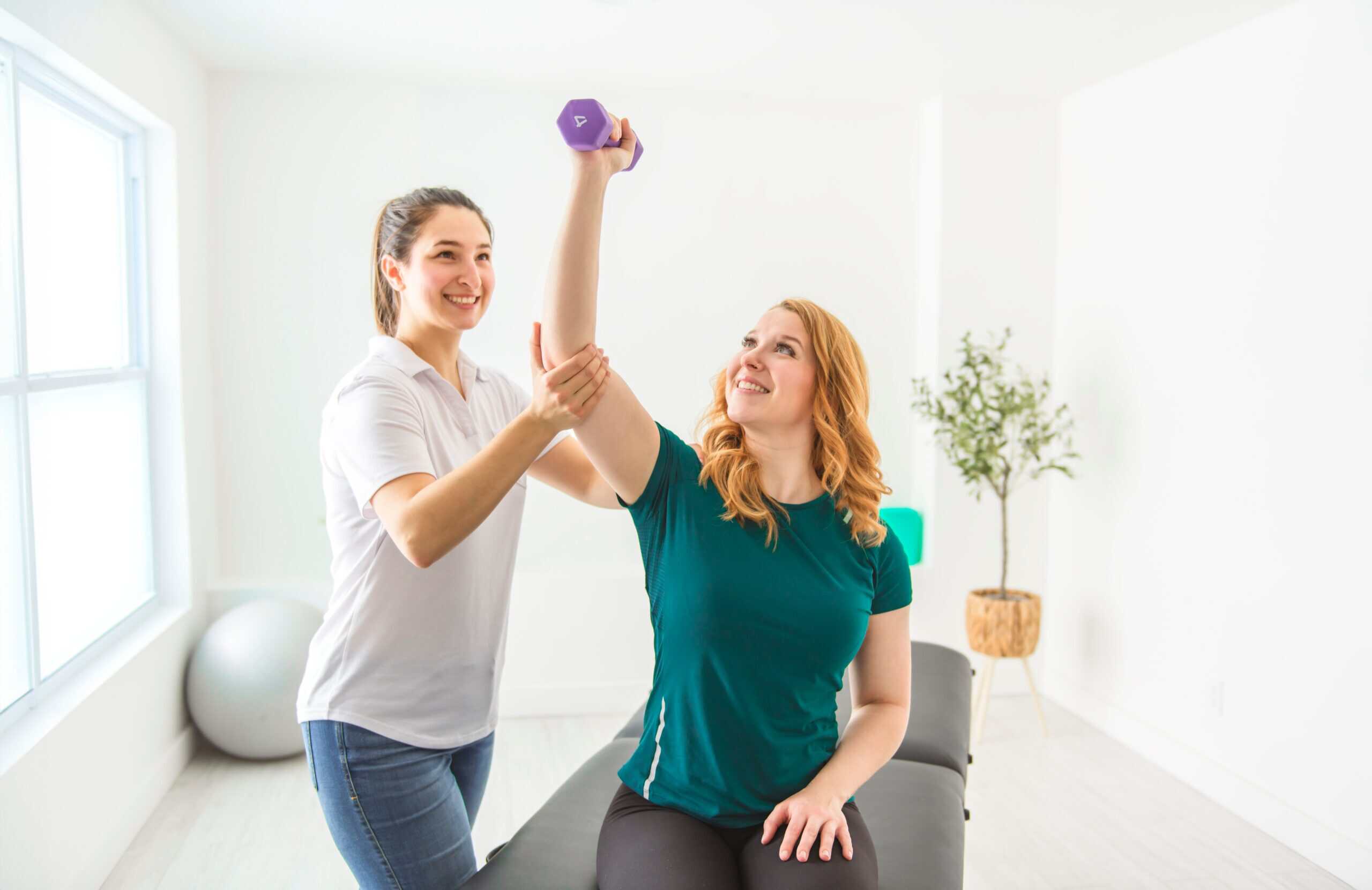
Accredited Exercise Physiologists work alongside individuals, families, and other healthcare professionals to deliver personalised, evidence-based exercise programs that support functional goals while respecting each person’s individual needs, preferences, and sensory experiences.
Understanding Autism
Autism is a neurodevelopmental condition that is present from early childhood and continues throughout life. It affects individuals differently, which is why it is described as a spectrum.
Autistic individuals may experience differences in:
Many autistic people also have unique strengths, including strong attention to detail, creativity, honesty, and the ability to develop deep knowledge in areas of interest.
How Autism Can Affect Physical Health and Function
Although autism primarily affects communication and behaviour, it can also influence physical function and participation in movement.
Some individuals may experience:
These factors can contribute to lower fitness levels and increase the risk of developing chronic health conditions over time.
Common Challenges
Autistic individuals may experience:
These challenges often create barriers to regular exercise rather than limiting an individual’s ability to be physically active.
Risk Factors for Poor Physical Health
Non-modifiable:
Modifiable:
Many of these factors can be improved through individualised exercise programs designed around each person’s interests, goals, and sensory needs.
How Exercise Helps
Exercise provides benefits that extend well beyond physical fitness. When programs are personalised and enjoyable, they can improve confidence, independence, emotional wellbeing, and participation in everyday life.
Strength and Motor Skills
Resistance and functional exercise improve muscle strength, coordination, posture, and movement efficiency, making daily activities easier and supporting greater independence.
Cardiovascular Fitness
Walking, cycling, swimming, dancing, and other aerobic activities improve heart health, endurance, and overall fitness while reducing the risk of chronic disease.
Balance and Coordination
Balance and agility exercises can enhance motor planning, body awareness, and stability, helping individuals participate more confidently in school, work, sport, and community activities.
Emotional Wellbeing
Regular physical activity has been shown to reduce symptoms of anxiety and stress, improve mood, support emotional regulation, and increase self-confidence.
Social Participation
Exercise programs can provide opportunities to build communication skills, develop friendships, increase confidence, and participate in community activities in a supportive environment.
Key Exercise Findings:
The Importance of an Individualised Approach
There is no single exercise program that suits every autistic individual. Successful programs recognise that every person has different goals, strengths, and support needs.
Exercise programs may include:
Strategies such as visual supports, consistent routines, clear instructions, and gradual progression can help individuals feel comfortable and confident during exercise sessions.
Accredited Exercise Physiologists are trained to adapt exercise environments and programs to meet individual needs while promoting long-term participation and positive experiences with movement.
Supporting Lifelong Health Through Movement
Regular physical activity offers lifelong benefits for autistic individuals. Beyond improving physical fitness, exercise supports confidence, independence, emotional wellbeing, and participation in meaningful daily activities.
By creating supportive, individualised exercise programs, Accredited Exercise Physiologists help autistic individuals develop healthy habits, achieve personal goals, and enjoy the many physical, mental, and social benefits that movement can provide throughout every stage of life.
Monthly insights on injury prevention, recovery, and everyday movement — straight to your inbox.
© Copyright 2022 | Accelerate Allied Health | All Rights Reserved | Privacy Policy | Site by Netrosa