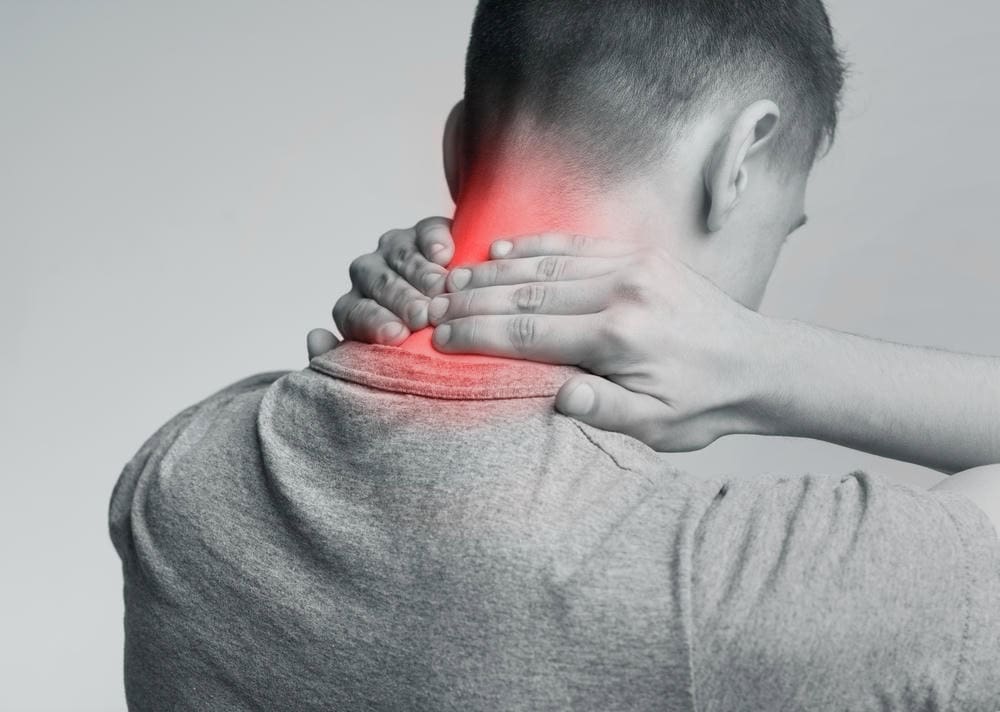
Arthritis is a common condition that affects the joints and can significantly impact
movement, strength, mobility, and everyday function. While arthritis cannot always be
cured, its symptoms and functional effects can often be effectively managed through a
combination of appropriate exercise, lifestyle strategies, and medical management.
Accredited Exercise Physiologists can play an important role in helping individuals with
arthritis maintain physical function, manage symptoms, and remain active and
independent.
Arthritis refers to inflammation or structural changes within the joints that can result in
pain, stiffness, swelling, and reduced movement. There are many different types of
arthritis, with osteoarthritis and rheumatoid arthritis among the most common.
Although the causes and disease processes differ, arthritis can affect an individual’s
ability to perform everyday activities and participate in work, exercise, and community
life.
These joint-related changes can affect:
- Joint mobility and range of motion
- Muscle strength and physical capacity
- Balance and functional mobility
- Walking and other everyday activities
- Independence and quality of life
Types of Arthritis
Osteoarthritis
Osteoarthritis (OA) is the most common form of arthritis and primarily affects the joints.
It occurs when there are changes to the tissues within and around a joint, including
deterioration of cartilage and changes to the underlying bone.
Commonly affected joints include:
- Knees
- Hips
- Hands and fingers
- Spine
Osteoarthritis can result in pain, stiffness, reduced joint mobility, and difficulty
performing activities such as walking, climbing stairs, squatting, and getting up from a
chair.
Rheumatoid Arthritis
Rheumatoid arthritis (RA) is an autoimmune condition in which the immune system
mistakenly attacks the lining of the joints.
- Commonly affects the hands, wrists, feet, knees, and other joints
- Can cause joint pain, swelling, stiffness, and reduced function
- Symptoms can occur in multiple joints and may affect both sides of the body
- Fatigue and reduced physical capacity can also occur
Other Types of Arthritis
There are many other forms of arthritis, including:
- Psoriatic arthritis
- Gout
- Ankylosing spondylitis
- Juvenile idiopathic arthritis
- Reactive arthritis
Each type can affect the body differently and may require an individualised approach to
management.
Common Symptoms
Arthritis symptoms can vary depending on the type of arthritis, the joints affected, and
the individual.
Common symptoms include:
- Joint pain
- Joint stiffness, particularly after periods of inactivity
- Swelling around affected joints
- Reduced range of motion
- Muscle weakness
- Fatigue
- Difficulty walking or completing everyday activities
- Reduced balance and physical capacity
- Reduced participation in exercise and physical activity
Persistent pain and reduced movement can also contribute to deconditioning, which
may further reduce strength, endurance, and functional independence.
Risk Factors
Risk factors vary depending on the type of arthritis.
Non-modifiable factors:
- Age
- Family history
- Genetics
- Previous joint injury
Modifiable or potentially modifiable factors:
- Physical inactivity
- Overweight and obesity
- Previous joint trauma
- Muscle weakness
- Reduced physical fitness
For some forms of arthritis, such as rheumatoid arthritis, lifestyle factors do not directly
cause the condition but may influence overall health and functional outcomes.
How Exercise Helps
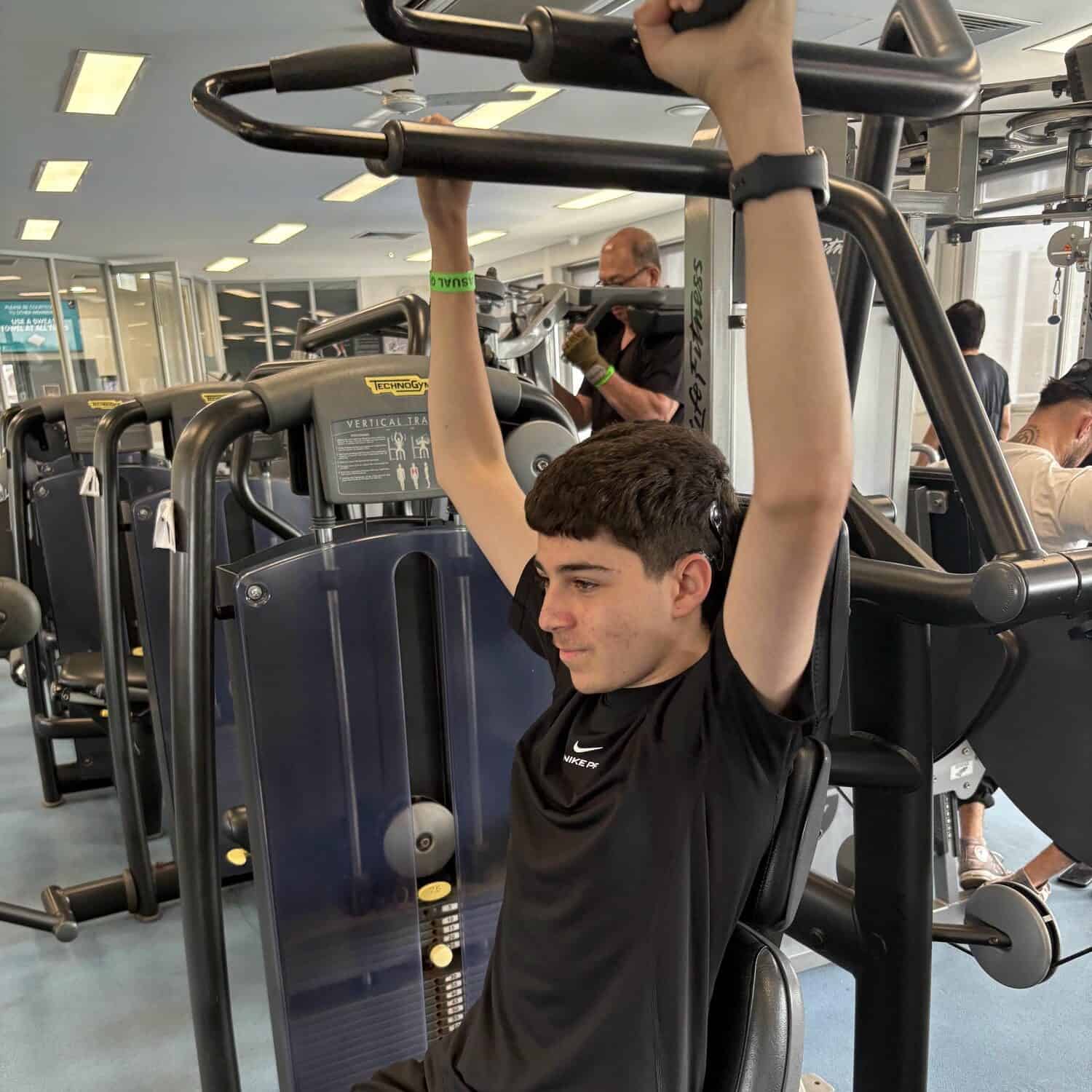
Exercise is one of the most important non-pharmacological strategies for managing
arthritis and maintaining physical function. Although movement may initially feel
uncomfortable, appropriately prescribed exercise can help individuals become
stronger, improve mobility, and increase their ability to perform everyday activities.
Regular exercise can:
- Improve muscle strength
- Improve cardiovascular fitness and endurance
- Maintain or improve joint mobility
- Improve balance and functional capacity
- Reduce physical deconditioning
- Support healthy body weight
- Improve confidence with movement
- Support participation in everyday activities
- Improve overall quality of life
For individuals with arthritis, exercise does not need to be high intensity to be
beneficial. Walking, cycling, swimming, resistance exercises, mobility exercises, and
other forms of physical activity can be modified according to an individual’s symptoms,
physical capacity, preferences, and goals.
From an Exercise Physiology perspective, the goal is not simply to exercise more, but to
develop an appropriate program that can be performed safely and consistently while
progressively improving physical capacity.
Key Exercise Findings
Research supports exercise as an important component of arthritis management.
Aerobic Exercise
- Walking, cycling, swimming, and other aerobic activities can improve cardiovascular
fitness and endurance
- Regular aerobic exercise can support participation in everyday activities
- Low-impact activities may be particularly useful for individuals experiencing joint pain
or reduced mobility
Resistance Training
- Strength training can improve muscle strength and physical function
- Stronger muscles can provide greater support during functional activities
- Exercises such as sit-to-stands, step-ups, squats, and resistance exercises can be
modified to suit individual capacity
- Progressive resistance training can help reduce the effects of muscle weakness and
deconditioning
Mobility and Flexibility
- Regular movement can help maintain joint mobility
- Mobility exercises can assist individuals to perform everyday movements more
comfortably
- Maintaining range of motion can support walking, transfers, dressing, and other daily
activities
Exercise and Pain Management
Pain can sometimes cause individuals with arthritis to avoid physical activity. However,
prolonged inactivity can contribute to muscle weakness, reduced fitness, stiffness, and
further loss of function.
A carefully structured exercise program can help individuals gradually increase their
tolerance to movement and physical activity.
Exercise should be appropriately adjusted according to:
- Pain levels
- Joint symptoms
- Fatigue
- Current strength and fitness
- Functional capacity
- Type and severity of arthritis
- Individual goals and preferences
The aim is to find an appropriate level of exercise that allows the individual to remain
active while progressively improving their physical capacity.
The Importance of a Holistic Approach
Effective arthritis management involves more than simply addressing joint pain. A
holistic approach considers the individual’s overall physical function, health, lifestyle,
goals, and ability to participate in everyday activities.
A comprehensive exercise program may incorporate:
- Aerobic exercise
- Resistance training
- Mobility and flexibility exercises
- Balance and functional training
- Weight management strategies where appropriate
- Education and self-management
- Lifestyle modification
- Pacing and recovery strategies
Combining these areas can help individuals maintain strength, mobility, cardiovascular
fitness, and independence.
From an Exercise Physiology perspective, regular and individualised exercise can help
individuals with arthritis remain active, manage the functional effects of their condition,
reduce deconditioning, and continue participating in the activities that are important to
them.
With appropriate guidance and a progressive approach, arthritis does not have to mean
giving up movement or physical activity. Exercise can be an important part of
maintaining mobility, function, independence, and quality