Improving Health
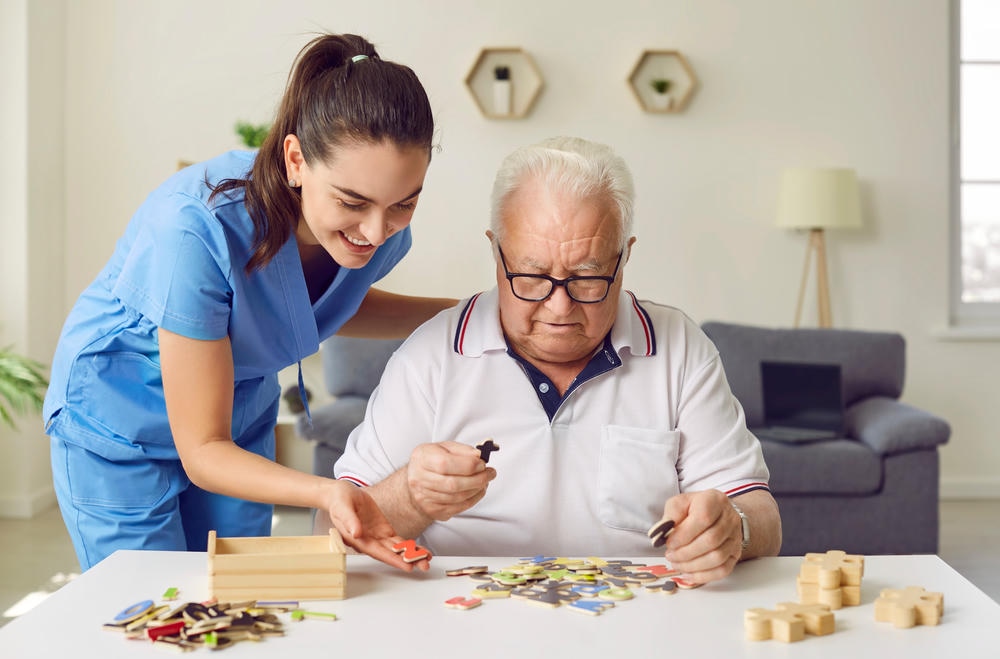
Stroke is a leading cause of disability worldwide, affecting movement, coordination, cognition, and overall function. While the initial brain injury cannot be reversed, targeted rehabilitation and exercise interventions can significantly improve strength, mobility, independence, and quality of life. Accredited Exercise Physiologists play a key role in guiding individuals through safe and effective programs following stroke.
A stroke occurs when blood flow to part of the brain is interrupted, either due to a blockage (ischaemic stroke) or bleeding (haemorrhagic stroke). This disruption leads to brain cell damage, resulting in impairments that vary depending on the location and severity of the stroke.
These impairments can affect:
Ischaemic Stroke (most common)
Haemorrhagic Stroke
Transient Ischaemic Attack (TIA)
Although stroke can occur suddenly, several risk factors increase likelihood:
Modifiable:
Non-modifiable:
Exercise is a cornerstone of stroke rehabilitation. Research demonstrates that structured exercise programs can improve cardiovascular fitness, muscle strength, balance, and functional mobility. Regular physical activity also supports neuroplasticity, allowing the brain to reorganise and adapt following injury.
From a functional perspective, exercise improves independence in daily activities such as walking, transferring, and self-care. It also reduces the risk of recurrent stroke and secondary conditions such as cardiovascular disease and deconditioning.
Cardiovascular & Strength Training
Du et al., 2025 (Umbrella Review):
Lee et al., 2022 (Systematic Review):
Task-Specific & Functional Training
Neuroplasticity & Recovery
A comprehensive rehabilitation program integrating strength, balance, cardiovascular fitness, and functional training provides the most effective outcomes following stroke.
From an exercise physiology perspective, combining these elements supports long-term recovery, improves quality of life, and promotes sustained engagement in physical activity.
Monthly insights on injury prevention, recovery, and everyday movement — straight to your inbox.
© Copyright 2022 | Accelerate Allied Health | All Rights Reserved | Privacy Policy | Site by Netrosa