Scoliosis: Understanding, Managing, and Improving Spinal Health

Table Of Contents
Scoliosis is a condition characterised by a sideways curvature of the spine greater than 10 degrees, often with vertebral rotation. It can affect individuals across the lifespan, most commonly developing during adolescence. While the structural curve itself may not always be fully corrected, appropriate management — particularly through targeted exercise — can significantly improve function, posture, and quality of life.
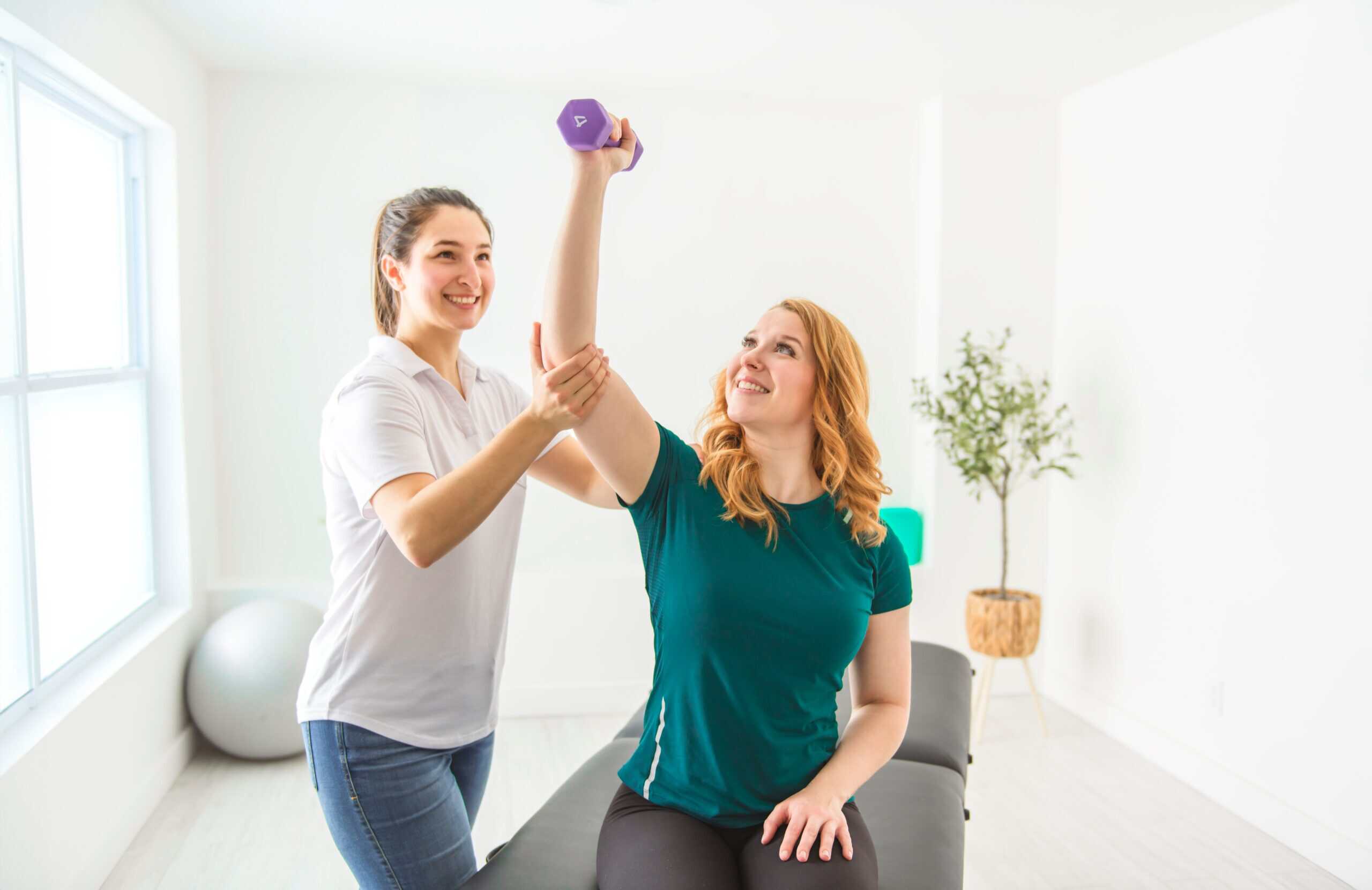
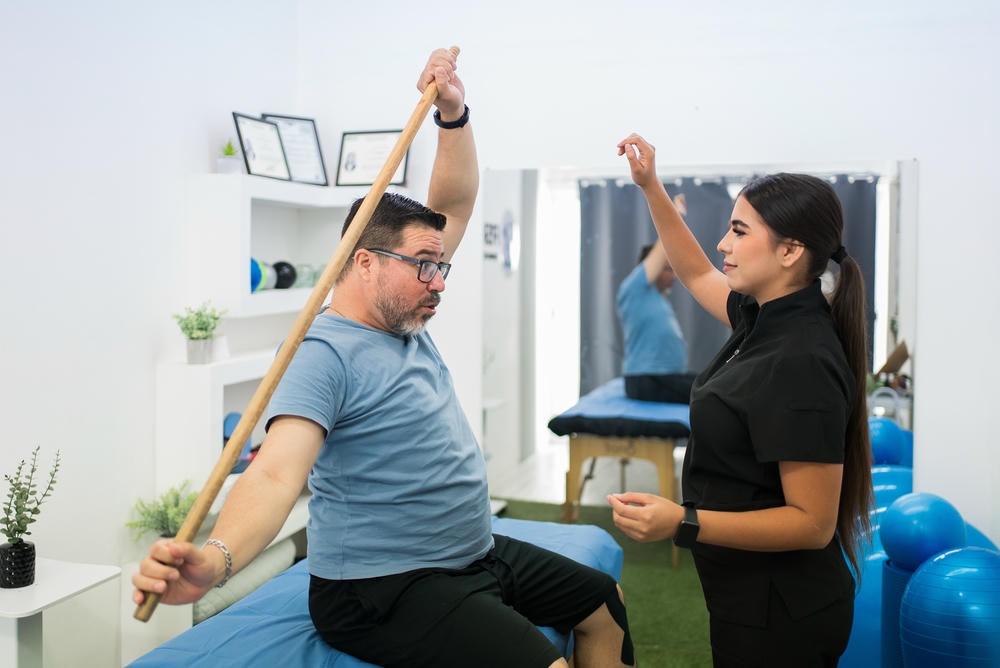
Accredited Exercise Physiologists play an important role in delivering individualised programs that address strength, mobility, and postural control.
Scoliosis can impact:
- Posture and alignment
- Movement efficiency
- Muscle balance and strength
- Breathing mechanics (in more severe cases)
Types of Scoliosis
Idiopathic (most common)
- No known cause; typically develops during adolescence
Congenital
- Due to spinal malformations present at birth
Neuromuscular
- Associated with conditions such as cerebral palsy or muscular dystrophy
Degenerative
- Occurs in adulthood due to age-related spinal changes
Common Signs and Symptoms
- Uneven shoulders or hips
- Prominent shoulder blade
- Visible spinal curve
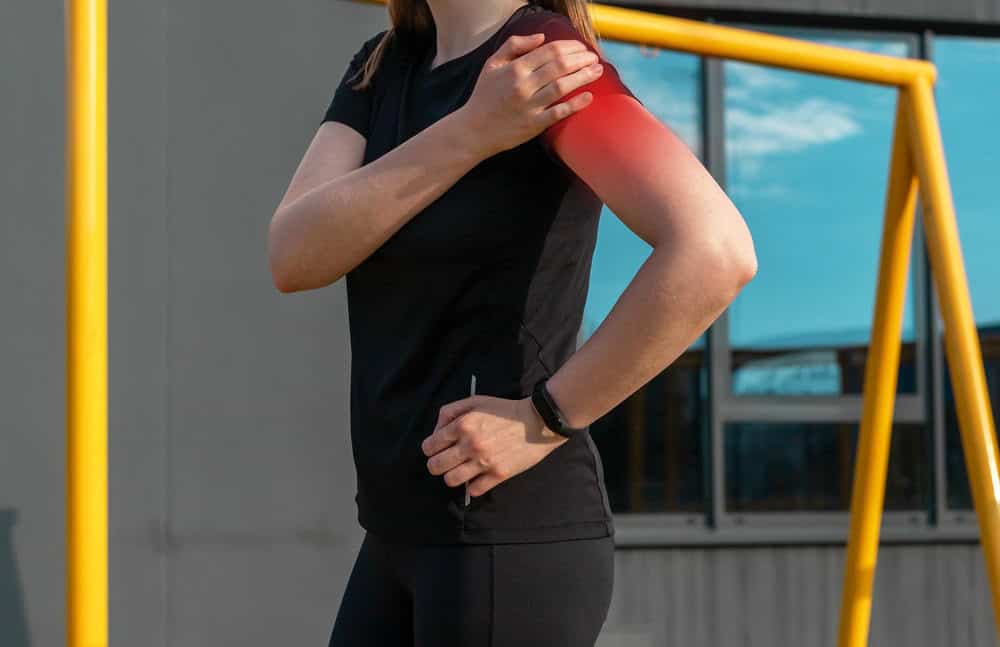
- Back pain (more common in adults)
- Muscle fatigue and stiffness
- Reduced mobility
Severe cases may impact breathing and exercise tolerance.
How Exercise Helps
Exercise is a key component in scoliosis management. While it may not eliminate the curve, it can improve physical function and reduce symptoms.
- Improve strength and spinal stability
- Enhance posture and body awareness
- Reduce pain and stiffness
- Address muscular imbalances
- Improve mobility and functional capacity
Exercise also supports participation in daily activities and reduces the risk of long-term deconditioning.
What the Research Shows
Current evidence supports exercise as an effective strategy for improving outcomes in individuals with scoliosis, particularly when programs are individualised and scoliosis-specific.
- Scoliosis-specific exercise (SSE) methods (e.g. Schroth-based approaches) have been shown to reduce curve progression and improve quality of life in adolescents with idiopathic scoliosis (Kuru et al., 2016; Schreiber et al., 2016)
- A systematic review by Romano et al. (2013) found that exercise interventions can significantly reduce the risk of curve progression compared to no treatment
- Monticone et al. (2014) demonstrated that active self-correction exercises improved pain, disability, and spinal alignment in adults with scoliosis
- Research also shows improvements in postural control, muscular symmetry, and respiratory function following structured exercise programs (Negrini et al., 2018)
Overall, the evidence highlights that early intervention, consistency, and individualisation are key factors in achieving positive outcomes.
Key Exercise Focus Areas
- Strength training: improves spinal support and muscular balance
- Postural control: enhances alignment and movement awareness
- Mobility & flexibility: reduces stiffness and asymmetry
- Breathing exercises: supports thoracic expansion in moderate to severe cases
- Functional training: improves daily activity performance
The Importance of a Holistic Approach
Effective scoliosis management requires a tailored and comprehensive approach.
A well-designed program:
- Targets individual curve patterns and impairments
- Integrates strength, mobility, and posture
- Progresses safely over time
This leads to:
- Improved function and movement efficiency
- Reduced pain and fatigue
- Greater independence and confidence
Scoliosis is a complex condition, but with the right intervention, individuals can maintain an active and high-quality lifestyle. Exercise remains a safe, evidence-based, and essential component of management.
Working with an Accredited Exercise Physiologist ensures programs are specific, structured, and aligned with best practice — helping individuals achieve meaningful, long-term outcomes.
More from
the blog


Tips to keep
you moving well
Monthly insights on injury prevention, recovery, and everyday movement — straight to your inbox.